
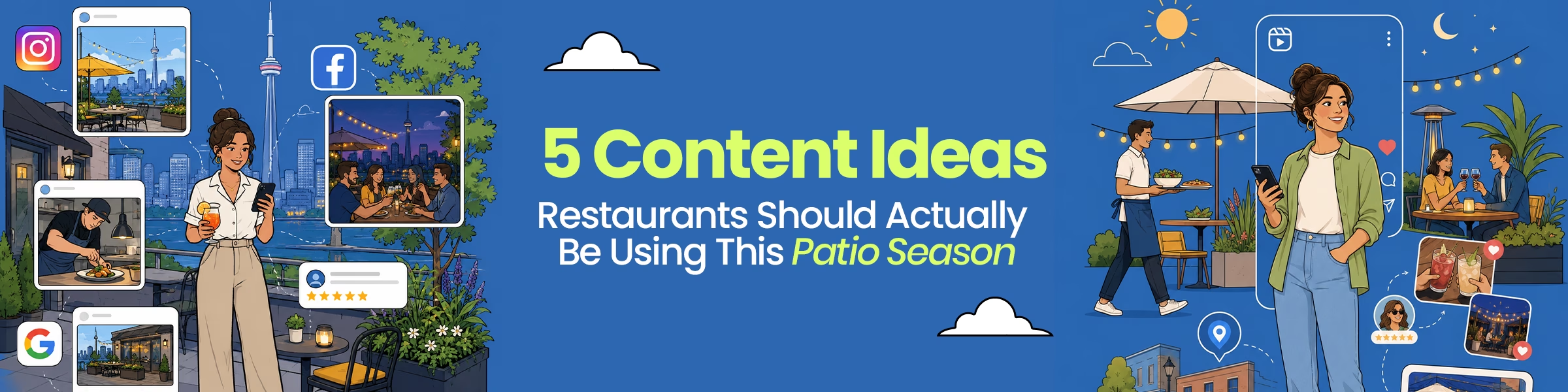
Walk down Lakeshore on a Thursday evening in late June and you’ll feel it before you see it, patios filling, lineups outside places that were empty six weeks ago, people photographing their drinks before the first sip. Patio season is its own phenomenon, and for restaurants it’s the single biggest visibility opportunity of the year, if you know how to work it.
Here’s the thing: every restaurant in Toronto knows patio season matters. Most post a few photos when the furniture goes out, maybe a Reel of the space, then wonder why they’re not getting the engagement their competitors are. The gap between restaurants that build real momentum and the ones that coast isn’t about having a better patio, it’s almost entirely about content strategy. Below are five approaches that genuinely work right now for social media marketing in Toronto hospitality, based on what’s actually moving the needle in 2026.
1. Day-to-Night Transitions Outperform Almost Everything
If you’re not doing transformation-style Reels yet, start here. Document your patio across a full day, the quiet morning setup, the brunch rush, golden hour around 7pm, and the shift into evening ambience when the candles and string lights take over. Stitch 30 to 60 seconds together and you’ve sold the entire experience arc of visiting.
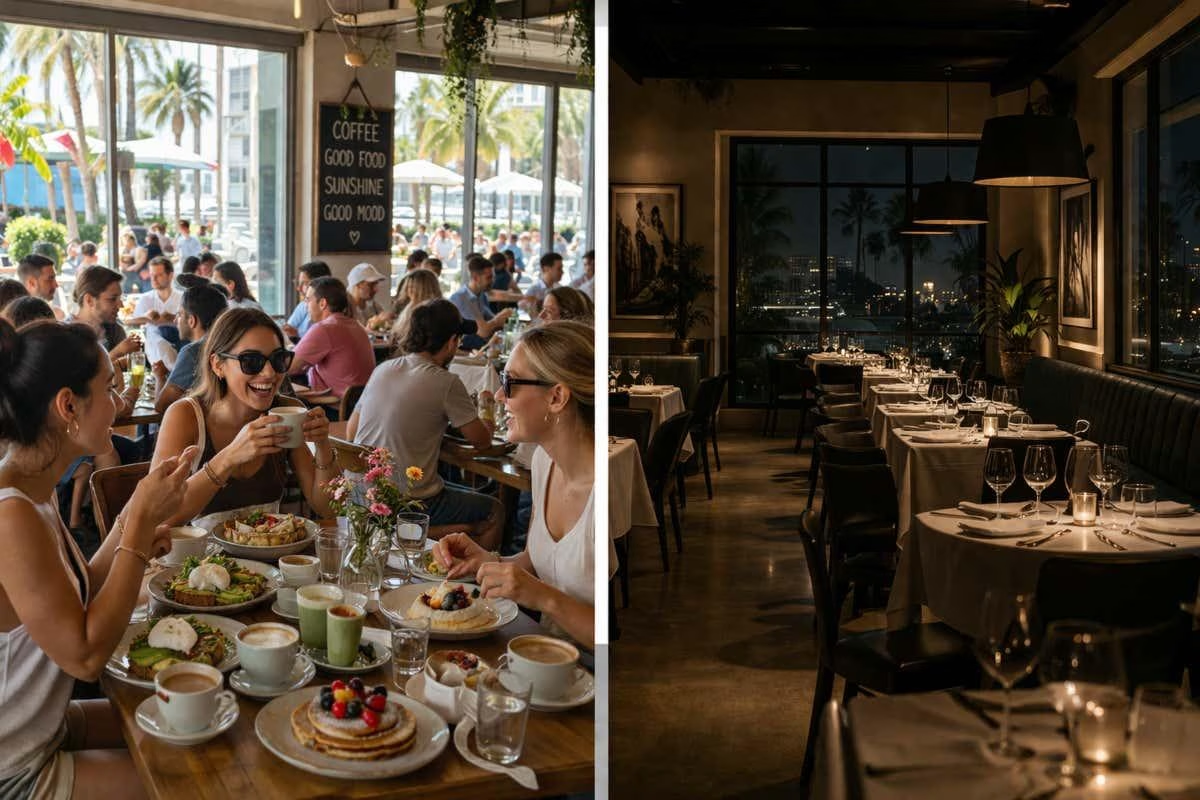
Why it works: it lets a viewer place themselves in multiple versions of the same visit. The person watching at 9am Tuesday thinking “brunch Saturday” is a different customer than the one at 10pm planning next weekend, one piece of content captures both. Technically you need little: a phone mounted at a consistent angle, natural ambient sound, maybe one track underneath. Shoot it on a day the patio actually looks good and the team is ready; thirty minutes of intention beats a rushed grab.
2. Behind-the-Scenes Gets Shared. Promotional Gets Ignored.
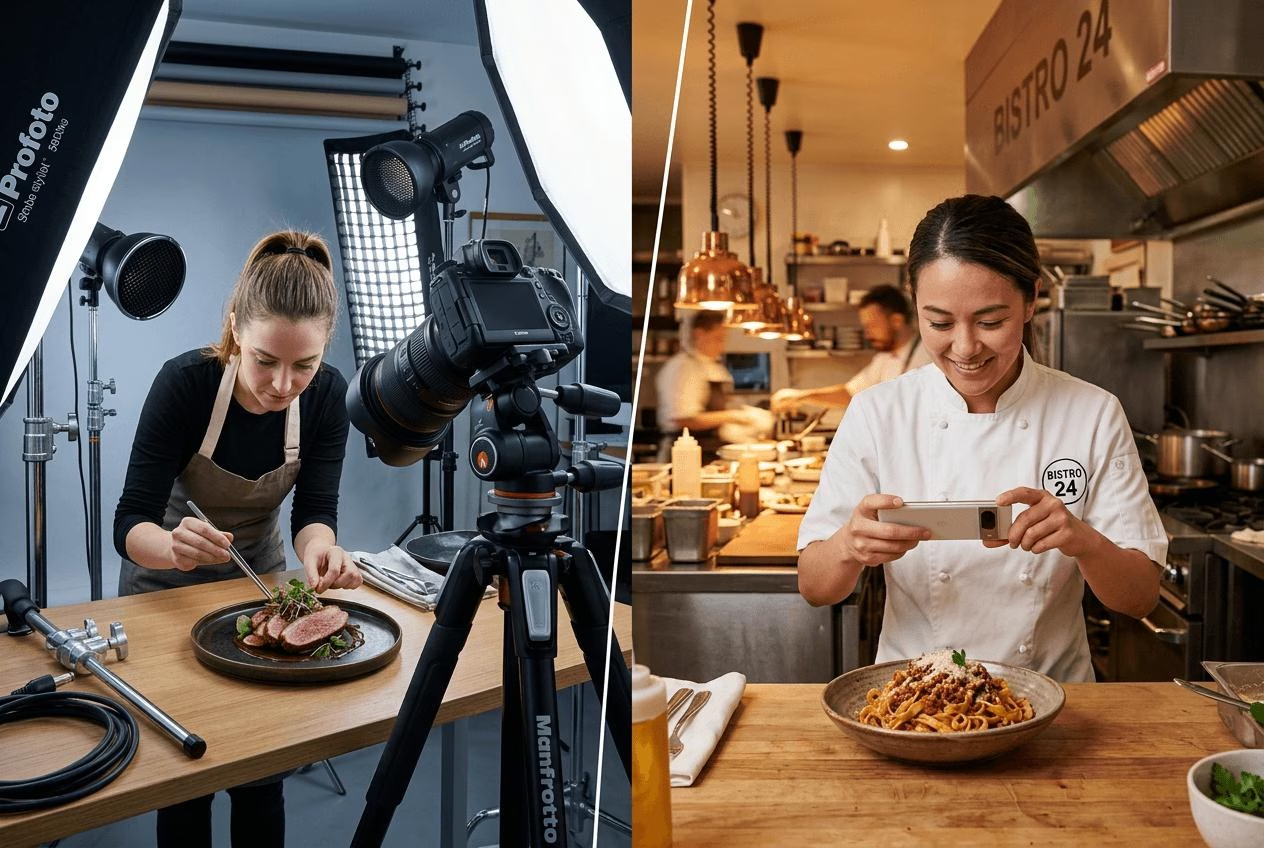
Something shifted in how audiences respond to restaurant content. Polished product shots still have a place, but they don’t build the connection that brings new people through the door. The unguarded stuff does, the chef adjusting a garnish three times, the bartender explaining why a seasonal ingredient made the summer menu, fifteen seconds of kitchen chaos during a Friday rush that suddenly makes a customer feel like they know your restaurant from the inside.
It works because it creates trust before anyone visits. For patio season, tie behind-the-scenes to the summer menu. If you’re bringing in local Ontario produce, show where it comes from; if you developed a summer cocktail, show the testing, including the versions that didn’t work. The restaurants generating the most engagement through social media marketing in Toronto right now are the ones making their back-of-house feel like a story worth following, and a good agency will push for this over conventional promotional posts because the data is consistent.
3. Customer Content Always Outperforms Yours, Build For It
A photo of your patio taken by a real customer, posted to their account with a genuine caption, almost always drives more reservation intent than anything you produce, peer social proof is categorically more persuasive than brand content. The restaurants that get this shift from making all their own content to creating conditions where customers want to.
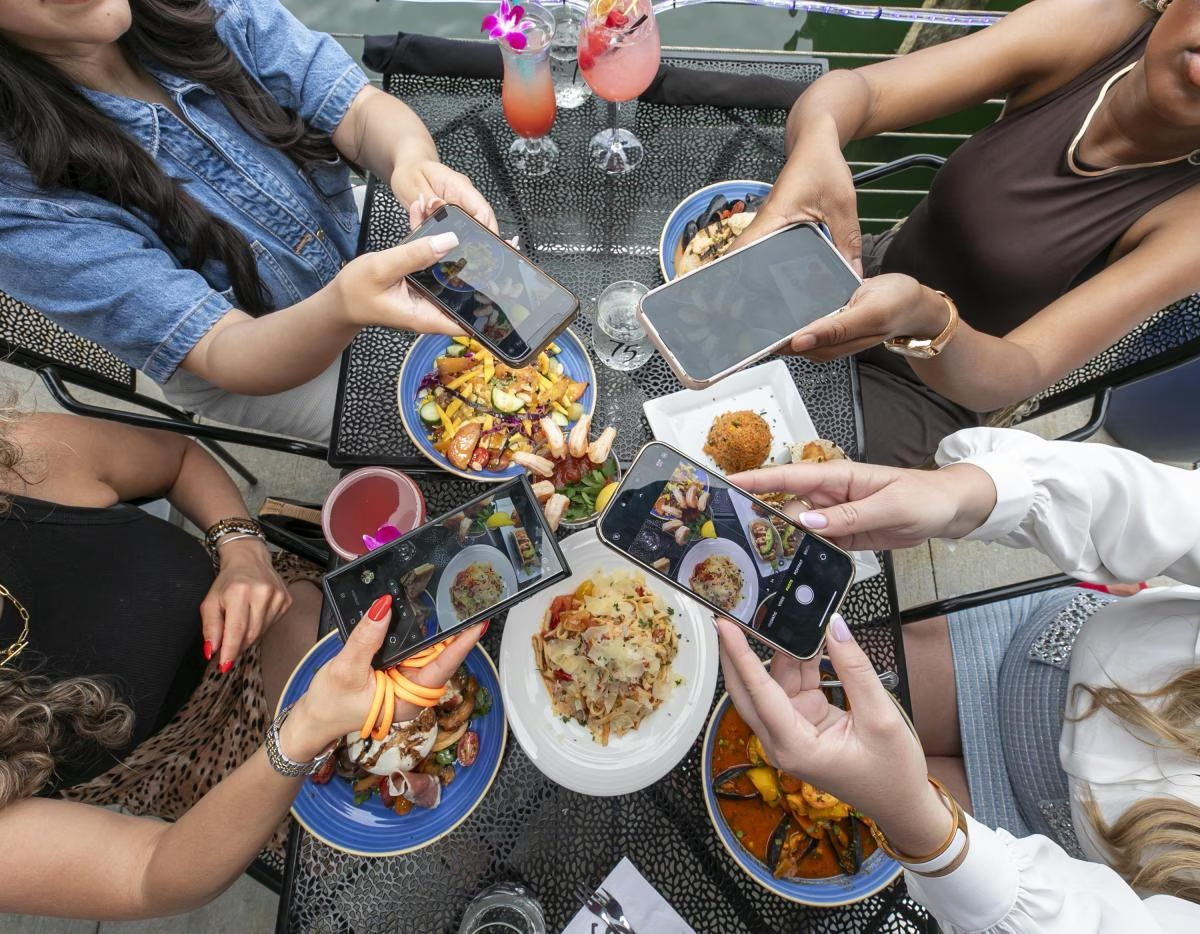
Practically: build a genuinely photo-worthy moment in the patio (good light and an interesting backdrop, not a logo prop wall); have a hashtag short enough that people actually use it; train floor staff to offer the group photo when someone’s shooting their food, that small gesture generates tagged content more than owners realise. Then follow through: repost customer content to Stories with a real response, not just a sticker. During patio season this compounds into an organic discovery engine running alongside your paid efforts.
4. Hyperlocal Content Is Toronto's Most Underused Tool
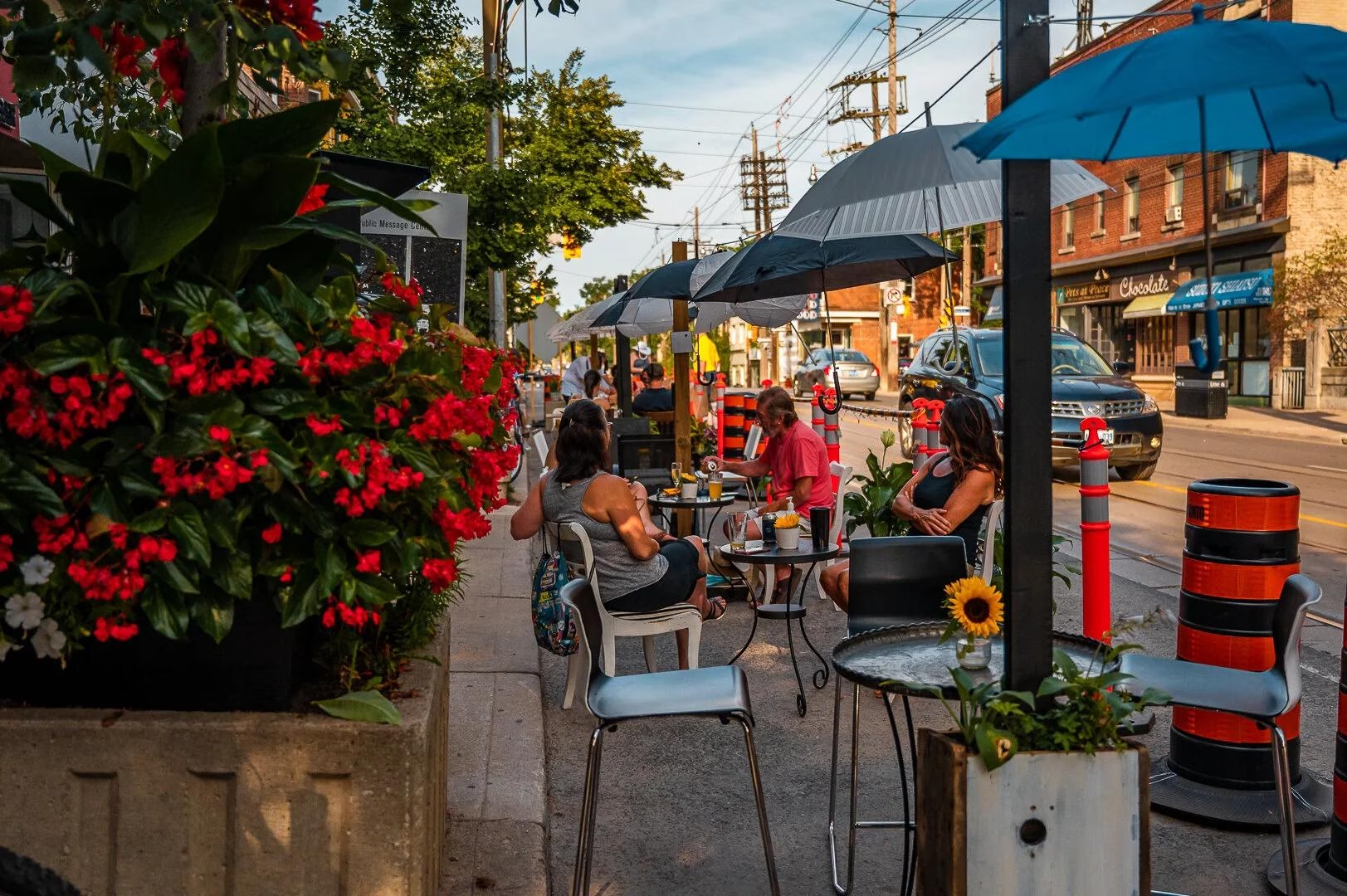
Most restaurant content is locationless, it could be from anywhere. In Toronto that’s a missed opportunity, because people here are intensely neighbourhood-loyal and neighbourhood-curious. Someone in Leslieville is genuinely interested in “best patio near Trinity Bellwoods” content, because weekend neighbourhood-hopping is a legitimate Toronto activity.
Content that anchors you to your specific location consistently outperforms generic restaurant content in local search and social: a Harbourfront café tying content to what’s happening at the waterfront that weekend, a Kensington spot posting about the Saturday market and what they pulled for Sunday brunch, an Entertainment District patio nodding to the Blue Jays pre-game crowd. This also helps Google Maps and local SEO, when your name appears alongside specific neighbourhoods, events, and landmarks in content Google can index, you start ranking for the around-the-corner searches that matter most.
5. Treat Your Google Business Profile as a Content Channel
It isn’t “content” in the Instagram sense, but it’s the most consistently neglected opportunity I see. Picture the behaviour: someone in the Annex on a Saturday wants a rooftop patio for drinks, opens Google Maps, searches “rooftop patio Toronto.” The results aren’t determined by Instagram followers, they’re determined by how complete and active the Google Business Profile is.
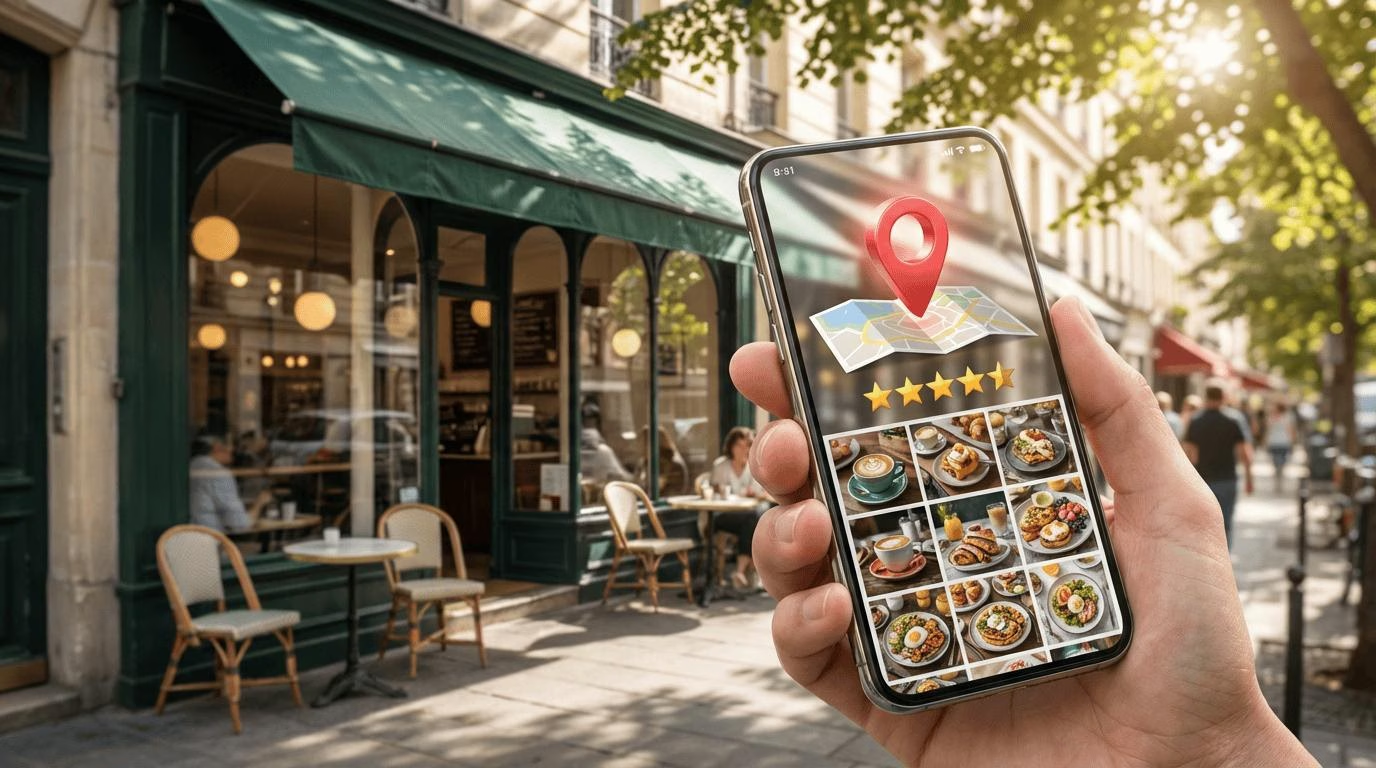
The restaurants that show up and convert have current patio photos, accurate hours including extended summer hours, a description that mentions outdoor seating, and recent reviews with owner responses. Updating it isn’t glamorous, but the commercial impact during peak season is significant, and the content you already make for Instagram (seasonal photos, menu updates, events) can be repurposed straight into your profile. You’ve already made it; just make sure it lands in both places.
The AI Search Shift Nobody Wants to Hear
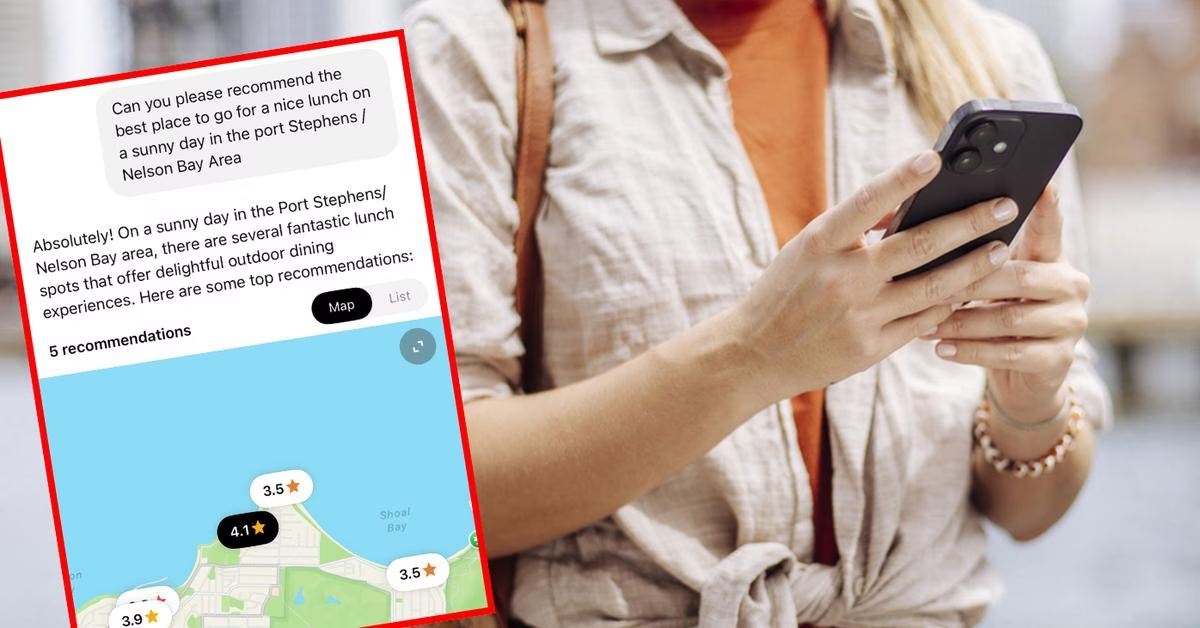
A real and growing share of restaurant discovery now happens through AI tools, people genuinely ask ChatGPT and Perplexity “best brunch patios in Toronto” and make plans on the answers. The businesses showing up haven’t paid for placement; they surface because they’ve built strong local SEO, consistent content, genuine reviews, and clear structured information. This isn’t a future concern, it’s happening now, and the gap between restaurants that have built that presence and those that haven’t will widen over the next twelve months.
Patterns That Hold Restaurants Back
Only posting food (in 2026 food photography is table stakes, differentiate with the experience, people, space, and neighbourhood). Treating social and search as separate (content that earns local relevance on Instagram also helps Maps). Posting inconsistently during a genuinely short peak window, a three-week July gap is a real cost. And waiting for perfect: the phone video you almost didn’t post often outperforms the one you spent a week on.
Patio season moves fast in this city. The restaurants that build momentum treat content as deliberate strategy, show up consistently, and understand that what they’re selling, long before anyone visits, is the feeling of being there. Whether you manage it in-house or with a social media marketing in Toronto specialist, the principles hold: be local, be consistent, be real, and show people the experience before they’ve had it.

Frequently Asked Questions
Day-to-night transition Reels, behind-the-scenes clips, customer-generated photos, and hyperlocal content tied to your neighbourhood consistently outperform polished promotional posts.
Consistently through the short peak window, aim for several real, story-driven posts a week. A multi-week gap in July is a genuine visibility cost.
Indirectly, yes. Hyperlocal content mentioning neighbourhoods, events, and landmarks supports local relevance, and a well-maintained Google Business Profile is what actually surfaces you in “near me” patio searches.
By building strong local SEO, consistent content, genuine reviews, and clearly structured information, the same signals AI tools use to construct “best patios in Toronto” style answers.