
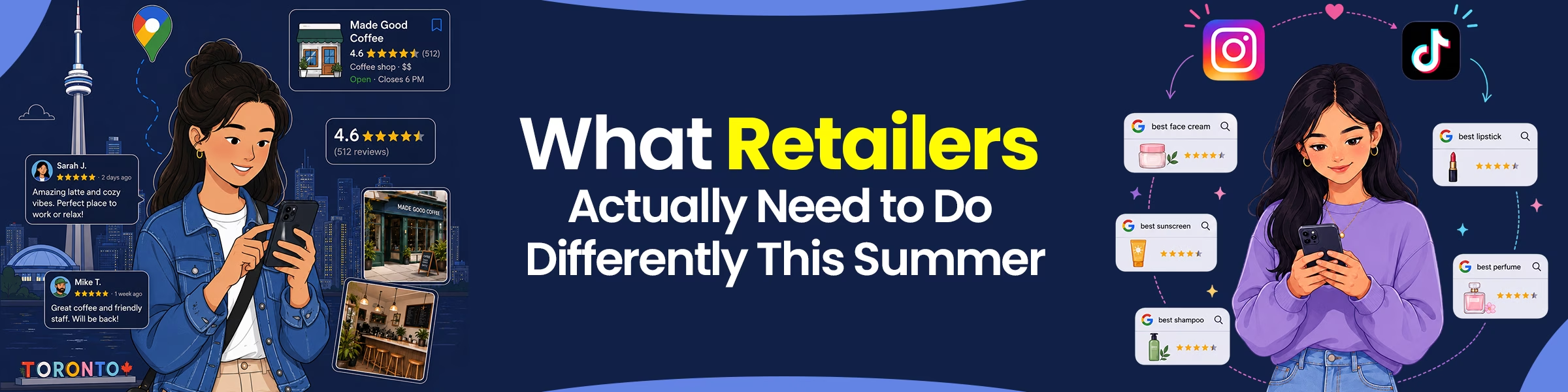
A client called me in early April last year, frustrated. They’d had a decent winter, their ads were running, and they had no explanation for why foot traffic was dropping heading into what should have been their best quarter.
We dug in. Their Google Business Profile still showed January hours. Their last Instagram post was from February. Their homepage had a “winter edit” banner live in April. And they’d run the same cozy indoor ad creative since November while the rest of the city was already thinking about patios and parks. That’s not a unique story, it’s the most common one I see with Toronto retailers, and it’s the kind of thing the right digital marketing company in Toronto catches before peak season instead of after.
Summers Hit Different, and So Does Shopping Behaviour
People outside Toronto miss how dramatically the city’s energy changes between seasons. This isn’t a southern market with gradual shifts; Toronto goes from grey and indoor to fully alive within weeks, and consumer behaviour follows hard. People who spent January making deliberate, researched purchases now decide on the fly, wandering Queen West, ducking into places that catch their eye, spotting something at a Saturday market they didn’t know they wanted thirty seconds earlier. The planning horizon shrinks; impulse goes up.
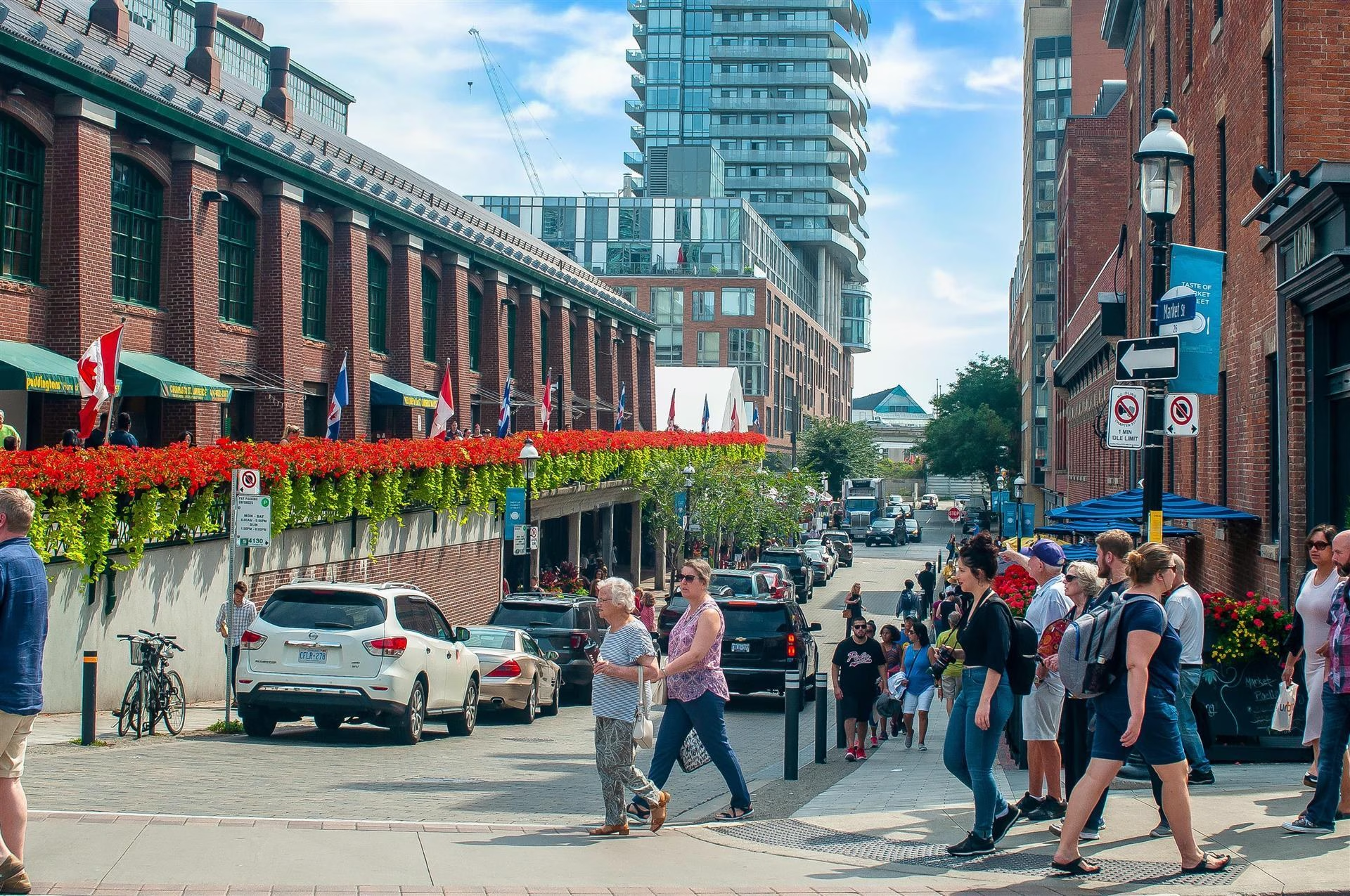
It shows up in the data, too. “Near me” searches spike. Discovery browsing on Instagram and TikTok outpulls product-specific Google searches for many categories. Reviews and photos on Google Maps become the deciding factor for whether someone turns into your store or keeps walking. If your digital presence isn’t built to capture that spontaneous, location-triggered customer, you’ll miss real summer revenue, not because your products aren’t good, but because someone else showed up at that moment and you didn’t.
Local SEO Can't Be an Afterthought
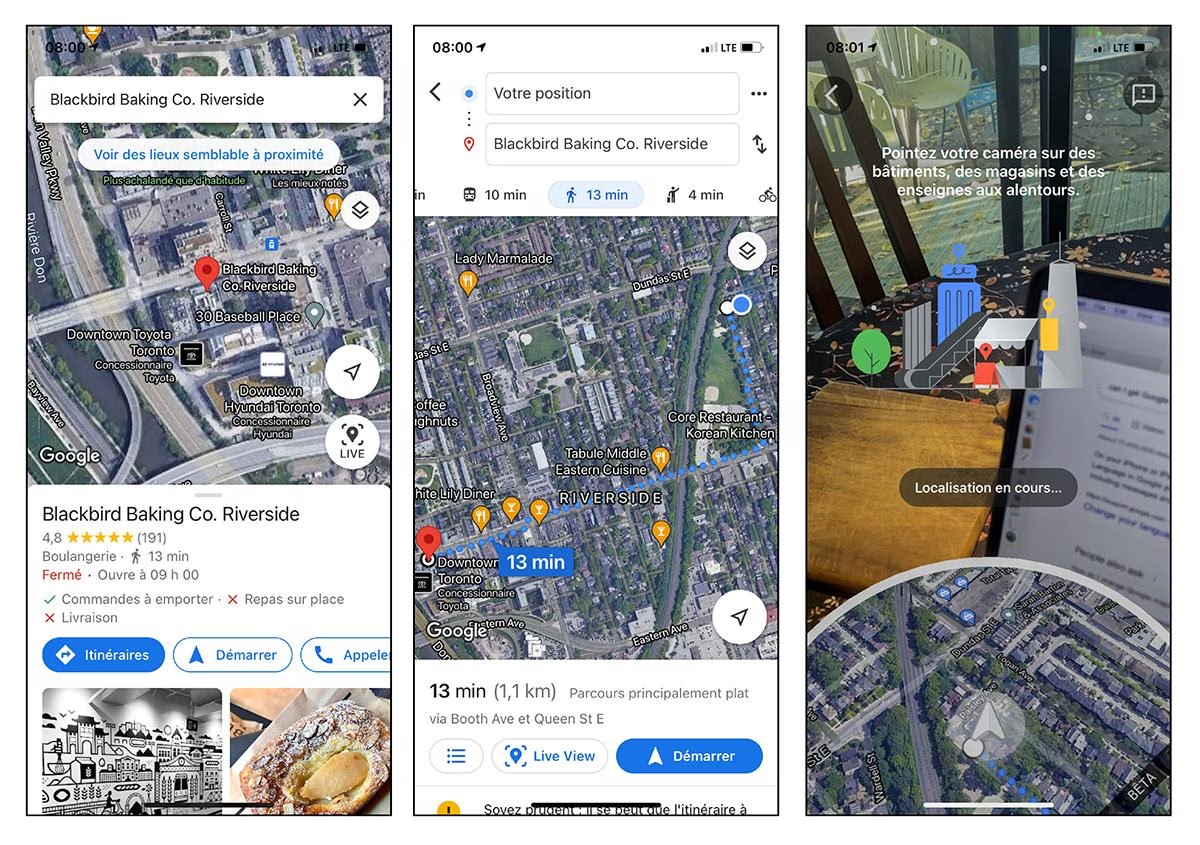
When people talk about digital marketing for retailers, the conversation jumps fast to ads and social. Local SEO feels boring by comparison, but think about the real journey. Someone’s in the Annex on a Sunday wanting a bottle for a patio gathering. They search “wine shops near me” or “bottle shops Annex Toronto.” The results aren’t the biggest ad budgets, they’re the complete, accurate, well-maintained Google Business Profiles with good photos, recent reviews, and correct hours. That’s a high-intent customer ready to spend right now, walking into whichever store Google shows first.
Before peak season, your Google Business Profile needs: current hours (summer, holiday, Canada Day, all of it); real summer photos of your space, products, and team in natural light, not stock; a description of what you actually carry right now (not “winter coats and outerwear” in July); and a steady stream of recent reviews you’ve actively, honestly asked happy customers for. A solid Toronto digital marketing company usually audits this first, because none of the exciting work matters if the foundation is broken.
Write for the Searches Actually Happening
When did you last look at what Toronto people actually search for in your category in summer? Not branded terms, the informational, local queries from early consideration. A lot of summer retail traffic comes from questions: “what to wear to an outdoor Toronto wedding,” “best sunscreen for humid weather,” “sustainable fashion brands in Toronto.” These people aren’t buying in two minutes, but they’re gathering information that decides where they spend shortly after.
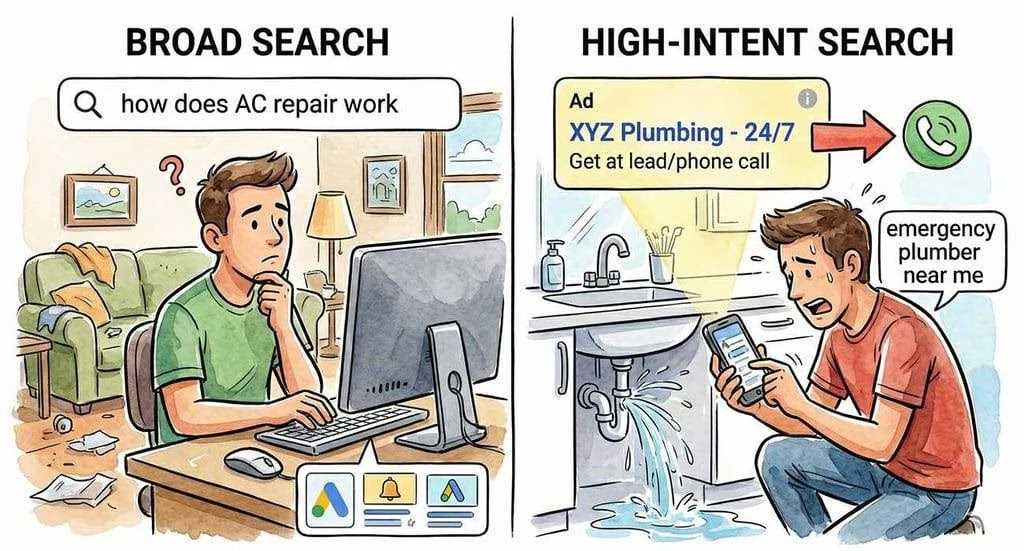
What makes this content work is specificity. Not “summer skincare tips” (generic, from anywhere) but “skincare for Toronto’s August humidity.” That’s content with a real audience and a real search behind it, and increasingly, it’s what gets pulled into AI answers when someone asks ChatGPT or Perplexity for local recommendations.
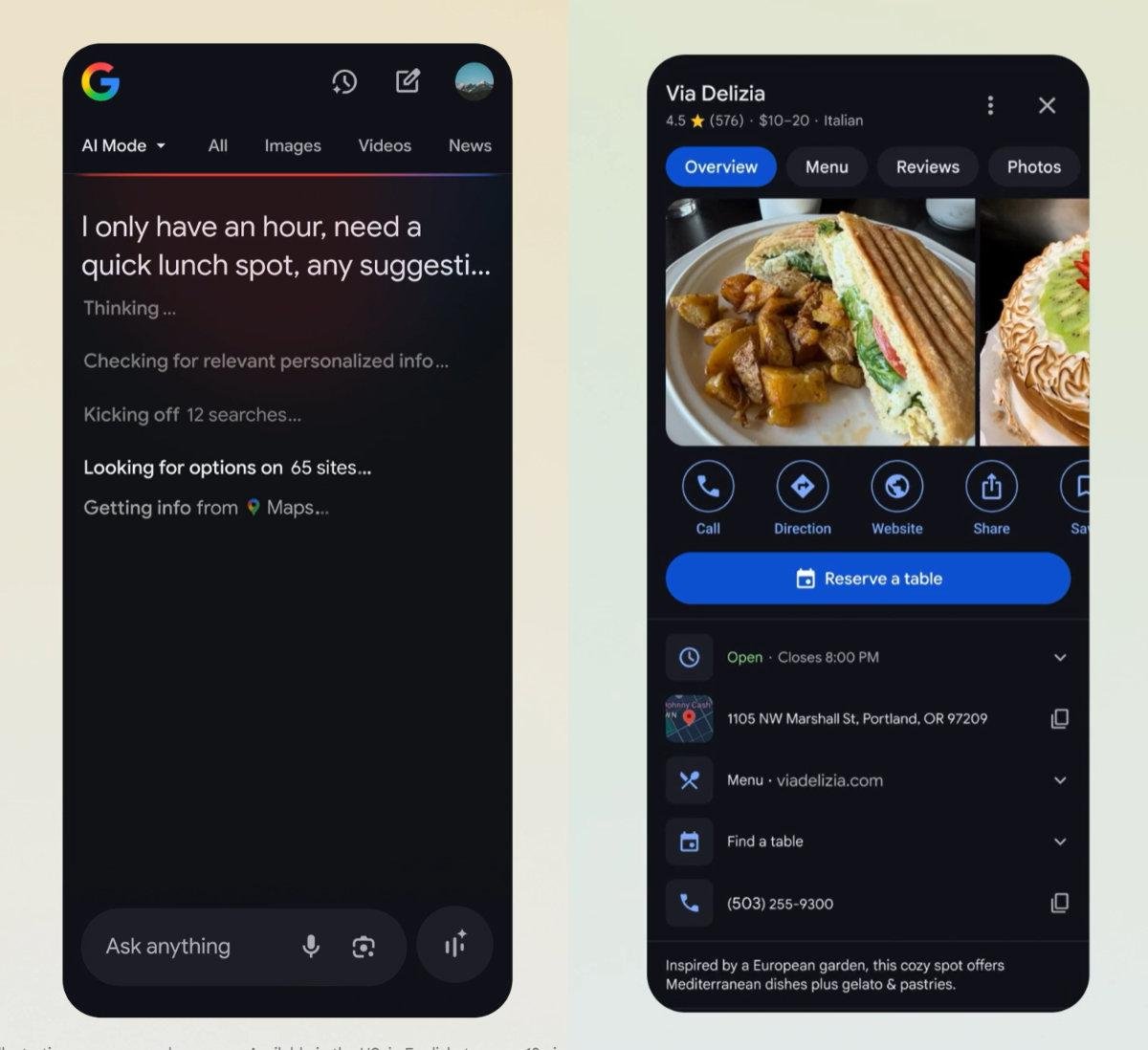
AI Search Is Already Changing Local Discovery
This is the biggest shift most Toronto retail owners haven’t registered. A growing slice of customers no longer start with a Google search, they ask an AI tool something conversational: “good local boutiques in Toronto for summer dresses.” The businesses surfacing in those answers aren’t paying for placement; there’s no ad auction. AI systems surface businesses with a credible, well-structured, information-rich presence: consistent business info across the web, substantive content, real reviews, and mentions from other sources. It’s the same work as proper SEO, and any digital marketing company worth working with in 2026 should be thinking about this layer explicitly.
Video: What Performs and What Doesn't
Summer is the best time to shoot, good light, the city looks great. My honest take: the more polished it is, the worse it tends to perform on organic social. People respond to real things, a quick phone video of staff styling a piece three ways, unscripted footage from a neighbourhood event, a genuine behind-the-scenes moment. These beat slick production consistently because users have become expert at spotting when they’re being marketed to. That’s not an excuse for low quality, lighting, sound, and framing matter, but the bar is authenticity first, polish second.

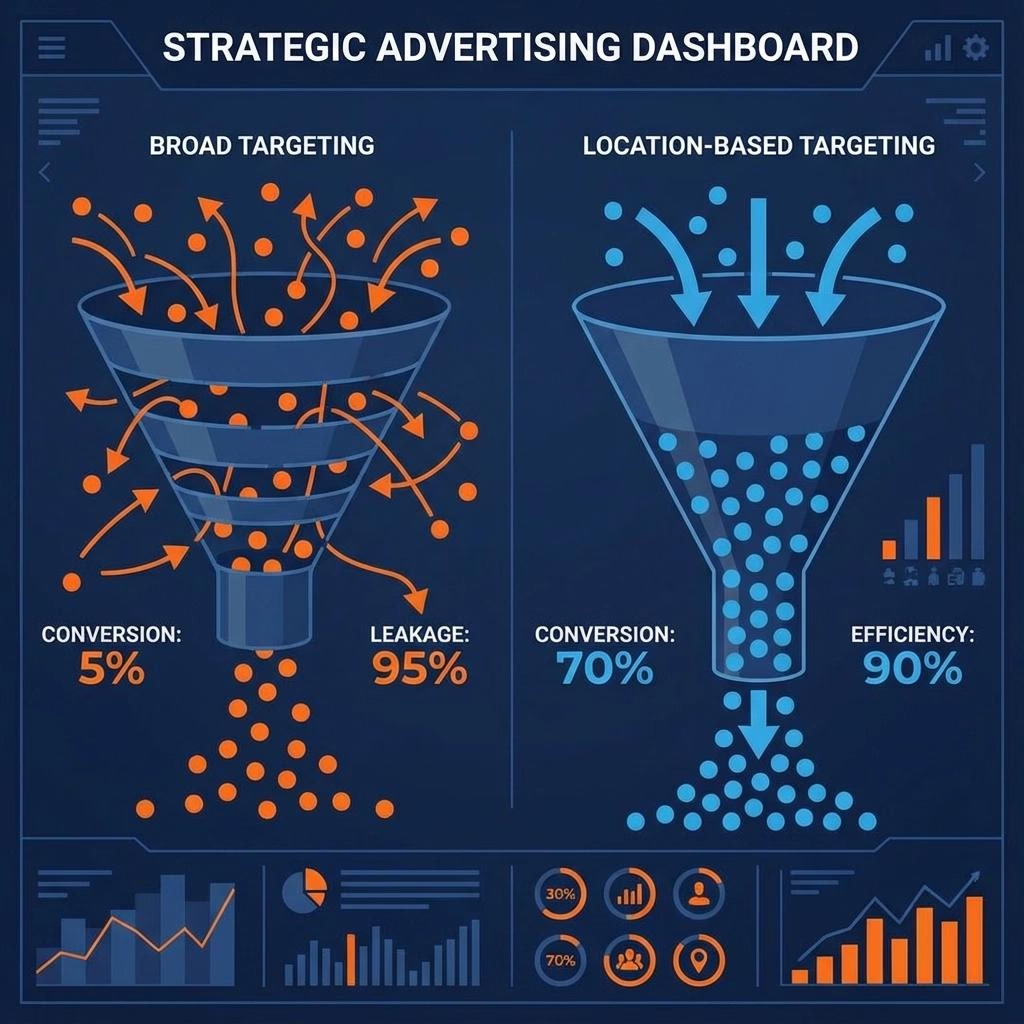
The Neighbourhood Mistake in Paid Campaigns
Toronto is not one homogeneous market, yet retailers run city-wide campaigns with identical creative. A campaign that resonates in Yorkville won’t land in Scarborough; a product that feels premium in one area feels overpriced in another. Hyperlocal targeting, radius, postal code, or neighbourhood, paired with creativity actually relevant to those communities almost always outperforms a broad sweep: you spend less, reach more of the right people, and convert better. This is exactly the local nuance a digital marketing company in Toronto with real knowledge of the city’s neighbourhoods builds in from the start.
The Omnichannel Problem Nobody Talks About
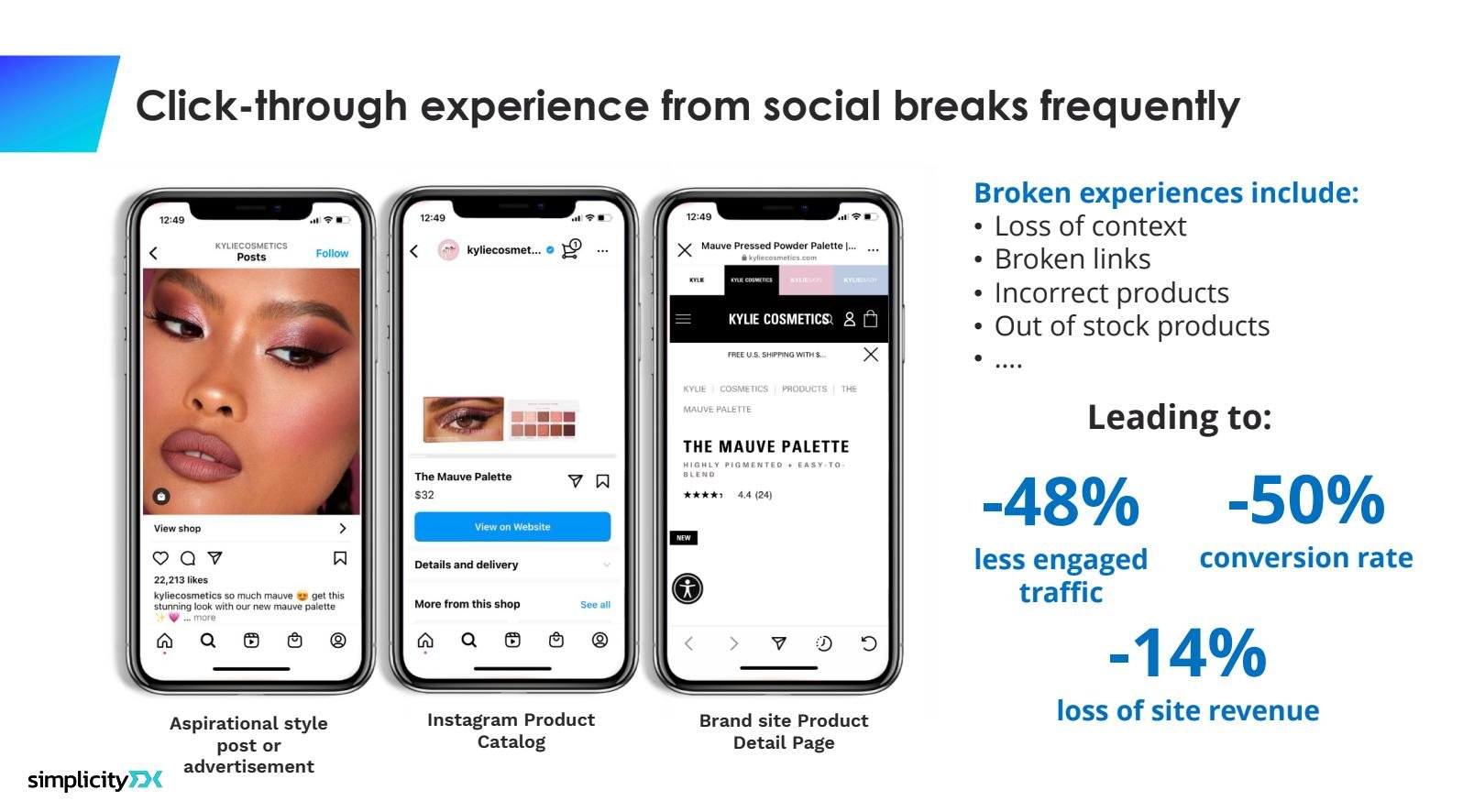
Your customer’s journey between your digital presence and your store is probably bumpier than you think. They see something on Instagram, go to your site and can’t find it, Google your hours (which are wrong), show up, and the item’s out of stock. They don’t come back. Each friction point is an avoidable lost sale. The fix isn’t complicated, just tedious: walk the journey yourself. Click from your own Instagram to your site. Google your store as a stranger. Check your Maps hours and your reviews. Fixing these gaps often moves sales more than any new ad spend.

Where to Focus First
Fix your local presence before spending another dollar on ads, Google Business Profile, hours, photos, reviews are the foundation. Audit your mobile experience, since most summer discovery happens on phones. Identify two or three Toronto-specific content pieces you can publish in the next few weeks rather than building a whole library overnight. And set up paid campaigns with neighbourhood-level targeting before peak season, so early test data makes July far more efficient.
Summer is one of the best commercial seasons Toronto offers. Whether the window is an opportunity or just a period you survive comes down to how prepared your digital presence is before it opens, and that preparation is exactly where the right digital marketing company in Toronto earns its keep.
Frequently Asked Questions
Start with local SEO, an accurate, photo-rich, actively-reviewed Google Business Profile, then layer in Toronto-specific content and neighbourhood-targeted paid campaigns before peak season, not during it.
Most high-intent summer shoppers search “near me” and choose from Google Maps results based on complete profiles, recent reviews, and correct hours, not ad spend. Strong local SEO puts you in that moment.
AI tools surface businesses with consistent information across the web, substantive content, genuine reviews, and third-party mentions. If those signals are thin, you won’t appear, building them is the same work as proper SEO.
No. Toronto’s neighbourhoods differ in culture and price sensitivity. Hyperlocal targeting with neighbourhood-relevant creative spends less and converts better than one city-wide campaign.